|
Getting your Trinity Audio player ready...
|
Have you ever noticed how tension in your body blocks energy flow, like a river stopped by rocks, leaving you feeling stuck and unwell? For years, I struggled with migraines, premenstrual symptoms (PMS), and physical tension, not knowing these were signs of blocked energy. However, discovering the power of movement combined with breath and energy work changed everything.
As a Traditional Chinese Medicine (TCM) practitioner, you might expect me to recommend QiGong — and I do! But my journey began with practices like karate and yoga, which taught me universal lessons about the power of movement, breath, and energy flow.
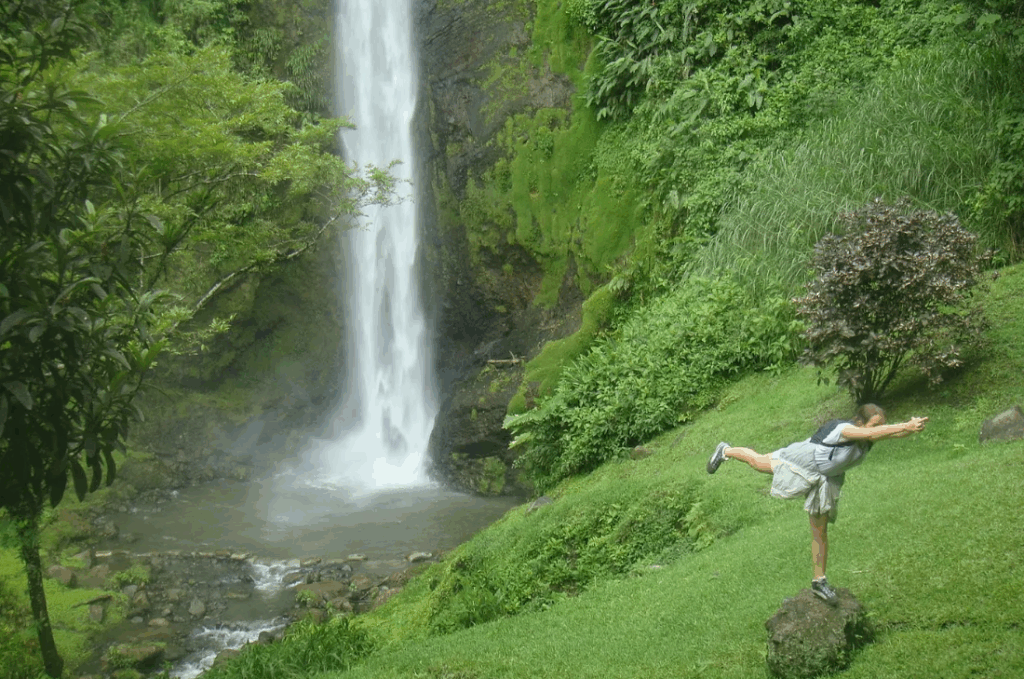
In this blog, I’ll explore how these practices, weather QiGong, yoga, or simply mindful walking, all share a common goal: restoring flow and promoting health. The best part? You can begin today, on your own.
What Is QiGong?
QiGong is a traditional Chinese practice that combines movement, breathing, and meditation to improve health and well-being. Imagine your Qi as water flowing through a river. When the river flows freely, everything thrives. But when blockages like stress, tension, or injury disrupt the flow, the river stagnates, leading to discomfort and imbalance. Breath and energy work are tools to remove these blockages and restore movement.
In Traditional Chinese Medicine (TCM), we say: “Where there is free flow, there is no pain. Where there is no free flow, there is pain.” Whether physical or emotional, pain is energy that isn’t moving as it should.
Discovering the Roots of Stagnation
Stagnation was a constant issue in my life, but for many years, I didn’t have the language to understand it. Symptoms like delayed periods, PMS, blood clots, migraines, cramps, and frustration were just part of my reality. It wasn’t until I discovered TCM that these patterns began to make sense. TCM taught me that these were all signs of Qi and blood stagnation, and that addressing the flow of energy in my body could not only alleviate them but transform my overall health.
The Universal Language of Movement
My personal journey with movement began long before I discovered QiGong. As a teenager, I was drawn to the intense physical discipline of Shotokan karate. For nearly 20 years, karate grounded me, energized me, and helped me release frustration, a common sign of Qi stagnation.
One lesson from my karate practice stayed with me for life. During an intense training session, my instructor shouted, “Breathe! Life lasts longer!” My brother and I laughed so hard at the simplicity of the statement, that we interrupted the class. But those words stayed with us to this day. They became our mantra. Coordinating breath with movement wasn’t just about improving performance; it was about creating a flow, a dynamic balance between tension and release.
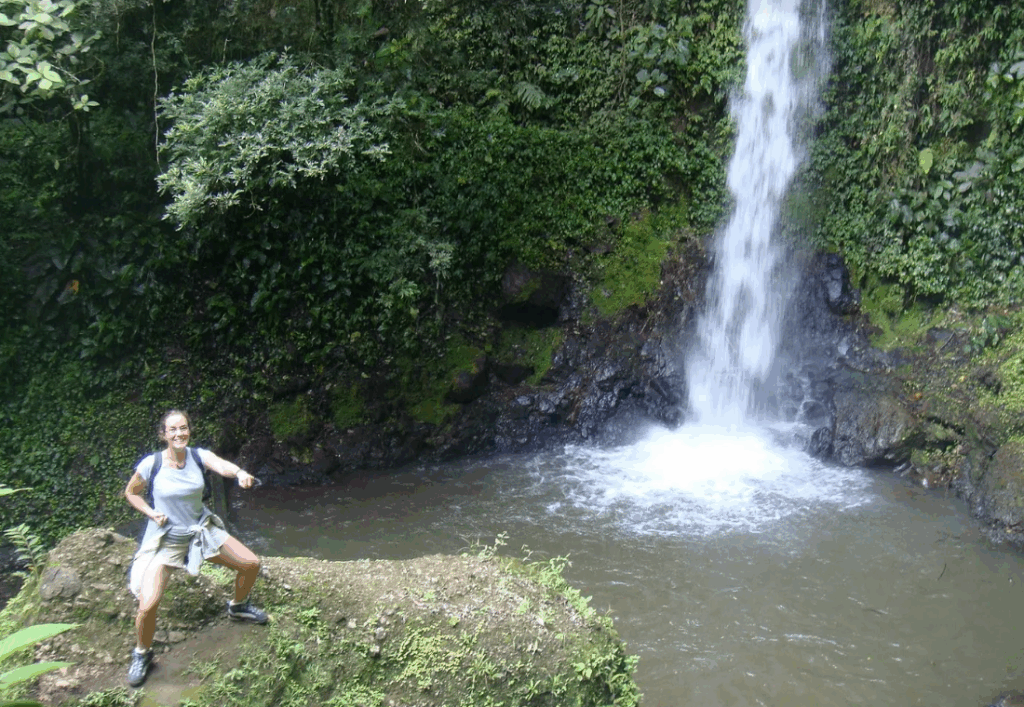
Later, as I explored yoga for over a decade and finally QiGong, I saw how these practices shared the same truth: movement is medicine, and breath is its ally.
How Breath and Movement Work Together
Here are three ways you can combine breath and movement to restore flow in your body:
- Breathe to Calm and Energize:
Take a deep breath in for 4 counts, hold for 4 counts, and exhale for 6 counts. Repeat 5–10 times to feel calmer and improve energy flow. - Stretch to Release Tension:
Tight muscles block energy like rocks in a river. While stretching, breathe deeply into the tight areas to create space and release tension. - Move to Restore Balance:
Mindful movement, like QiGong, yoga, or even a walk while syncing your breath with your steps, can help energy flow smoothly again.
Flow Is the Key to Life
The beauty of breath and energy work lies in its simplicity. Whether you practice QiGong, yoga, karate, or take a mindful walk, the goal is the same: to restore flow in your body and your life.
Start Small and Explore Freely
Take a moment today to reconnect with your breath. Try the simple breathing exercise above or take a mindful walk, coordinating your breath with your steps. Notice how your body responds. These small practices can lead to profound changes over time.
If you’re new to energy work, start with a practice that resonates with you. Whether it’s QiGong, yoga, or another mindful activity, the journey is personal, and there’s no wrong way to begin.
Remember: where there is free flow, there is no pain!
So why not take that first step today? Breathe, move, and embrace the flow, you deserve it.