|
Getting your Trinity Audio player ready...
|
If you’re curious about ancient health practices like Traditional Chinese Medicine (TCM) but feel uneasy at the thought of needles, you’re not alone, and you’ve come to the right place! In fact, I was afraid of needles, too, before I went to acupuncture school. (Yes, really!) And it didn’t take long for me to realize that the word acupuncturist is a bit of a misnomer.
When most people hear “acupuncturist,” they picture a practitioner inserting thin needles into the skin. And yes, that’s part of it — but it’s far from the whole story. Acupuncture is just one technique in a rich and diverse system of healing. There’s so much more to this ancient practice.
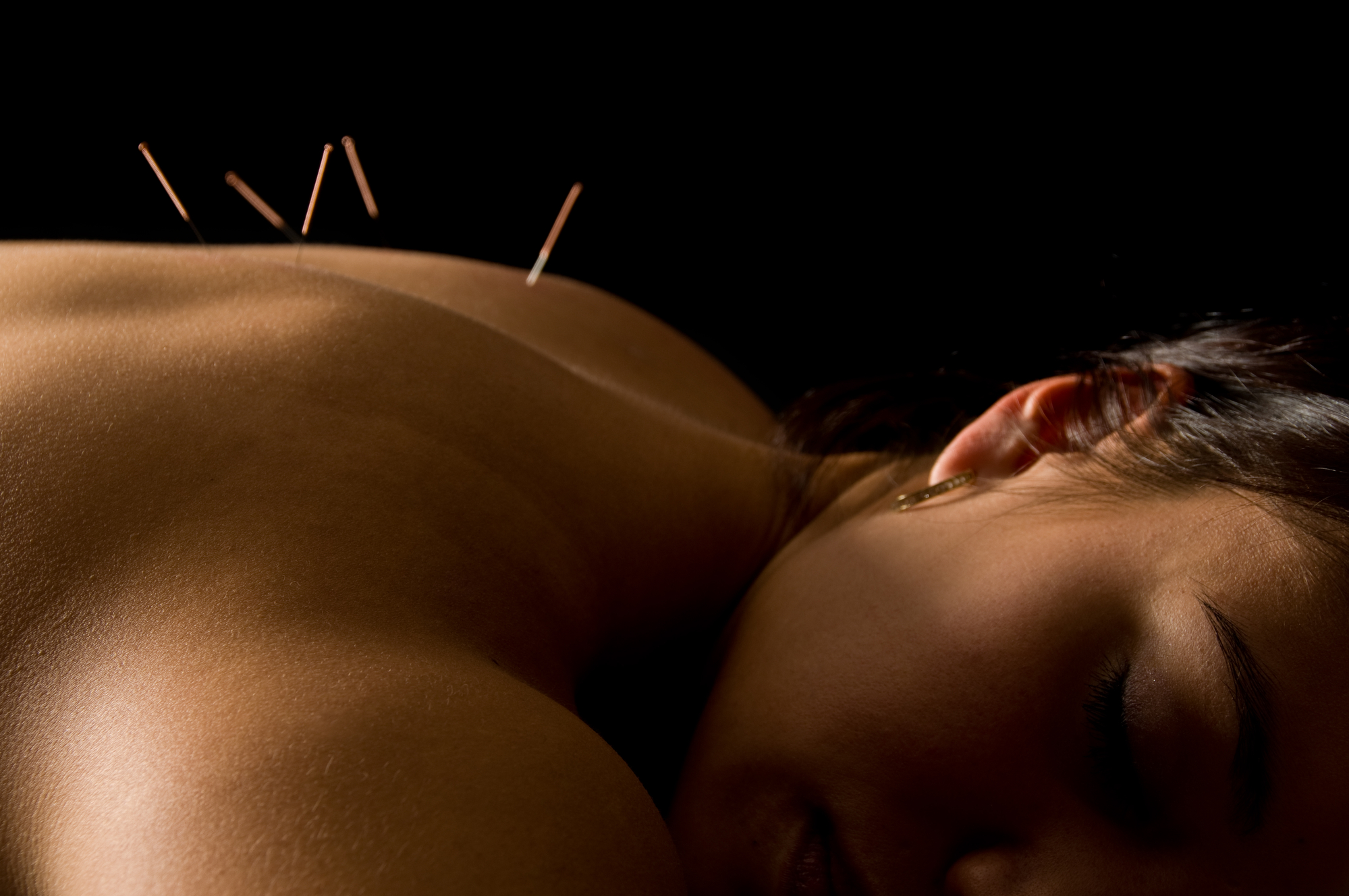
In fact, I’ve started to think of myself as “the needle-free acupuncturist.” Maybe that’s what I should call my TCM-related blogs! So, whether you’re needle-shy or just curious, let me take you on a journey to explore the fascinating world of TCM and how it can transform your health in ways you might not expect.
Before we dig deeper, lets look at what was lost in translation.
Moxibustion: The hidden gem
The Chinese characters 針灸 (zhēnjiǔ) stands for acupuncture and moxibustion.
Acupuncture (from the Latin “acus pungere,” meaning “needle prick”) indeed involves inserting fine needles at specific points to manipulate Qi, the body’s vital energy.
Moxibustion, often overlooked in translation, uses burning dried plants (moxa) near the skin to dispel cold and invigorate Qi flow.
And let me tell you — moxibustion is by far my favorite part of TCM! It’s a hidden gem of the practice, often overshadowed by acupuncture but incredibly effective in its own right.
The Five Branches of Traditional Chinese Medicine (TCM)
Yes, branches! The acupuncture university I attended in San Jose, CA, is called Five Branches University for a reason: acupuncture is just one part of TCM. This ancient system includes five distinct yet interconnected healing modalities:
- Acupuncture — Needlework to restore energy flow.
- Tuina — An ancient form of bodywork using fingers, palms, and elbows to stimulate acupoints.
- Qigong — A combination of movement, breathing, and meditation to cultivate life energy.
- Nutrition — Balancing the body through diet.
- Herbal Medicine — Using herbs to correct imbalances, often complementing dietary therapy.
Each branch is rooted in the understanding that the body is an interconnected whole, and true health comes from restoring balance — not just treating symptoms.
Understanding Qi and Meridians
Central to TCM is the concept of Qi, the vital energy that flows through our bodies. Qi travels along meridians, a network of channels that connect our organs, tissues, and systems. When Qi flows freely, we feel healthy and vibrant. When it becomes blocked or stagnant, discomfort and disease can arise.
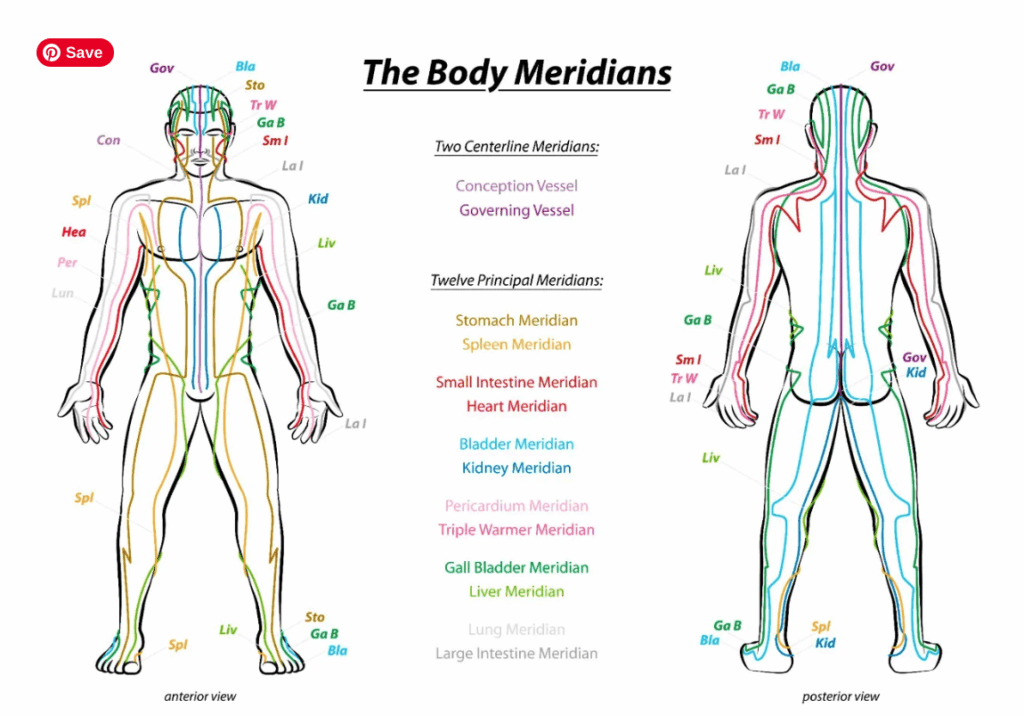
All five branches of TCM work toward the same goal: restoring the free flow of Qi. As the saying goes:
Where there is free flow, there is no pain.
Where there is no free flow, there is pain.
And where Qi goes, blood follows.
Blood plays a crucial role in keeping the body healthy and functioning. It carries oxygen and essential nutrients to every cell, tissue, and organ, enabling them to repair and regenerate. When blood flow is sluggish or obstructed, the delivery of these vital components is compromised. This can lead to stagnation and pain, first temporarily and eventually chronically.
So, your job is to nourish your body with the right building blocks — such as a balanced diet rich in vitamins, minerals, and other essential nutrients. And TCM works on restoring free flow of Qi and blood, making sure these essential nutrients reach the areas that need healing.
A Personalized Path to Wellness
If the thought of needles bothers you, don’t worry — TCM offers a range of options that can be tailored to individual needs. Some of my patients responded really well to acupuncture, while others relied on tuina, nutrition, and herbal therapy. The beauty of TCM lies in its flexibility: it’s not one-size-fits-all but a personal path to balance and health.
Taking the First Step
Ready to explore the benefits of TCM for yourself? Start by finding a local practitioner and ask about the modalities they offer. Whether your goal is to ease pain, boost energy, or adopt a more holistic approach to wellness, TCM provides tools to support your unique journey.
Through this blog series, I’m sharing how TCM has shaped my own path to health and wellbeing, and I’m excited to help you discover its potential, too. Begin your journey today and take the first step toward better health.